
⭐⭐⭐⭐⭐
Excellent company doing an excellent job of sharing their beautiful country! Organized, enjoyable cruise. Knowledgeable staff providing an interesting commentary on magnificent Milford Sound.


Milford Sound is spectacular any time of year - each season brings a different experience.
Milford Sound is known for its high rainfall and dramatic weather, which only adds to its unique beauty. Rain is common year-round and often enhances the experience, feeding waterfalls and creating a mystical atmosphere. Each season brings something different — from warm, clear days in summer to snow-capped peaks in winter.
Weather can change quickly, so it’s important to come prepared. Rain jackets, warm layers, and waterproof footwear are recommended year-round. Even on rainy days, the fiord is stunning — in fact, many visitors say it’s even more beautiful when the waterfalls are in full flow. Wind conditions are generally light, but snow and ice can affect the Milford Road in winter, so always check forecasts before travelling.
For up-to-date forecasts, rainfall radar, and road conditions, visit MetService Milford Sound Weather.

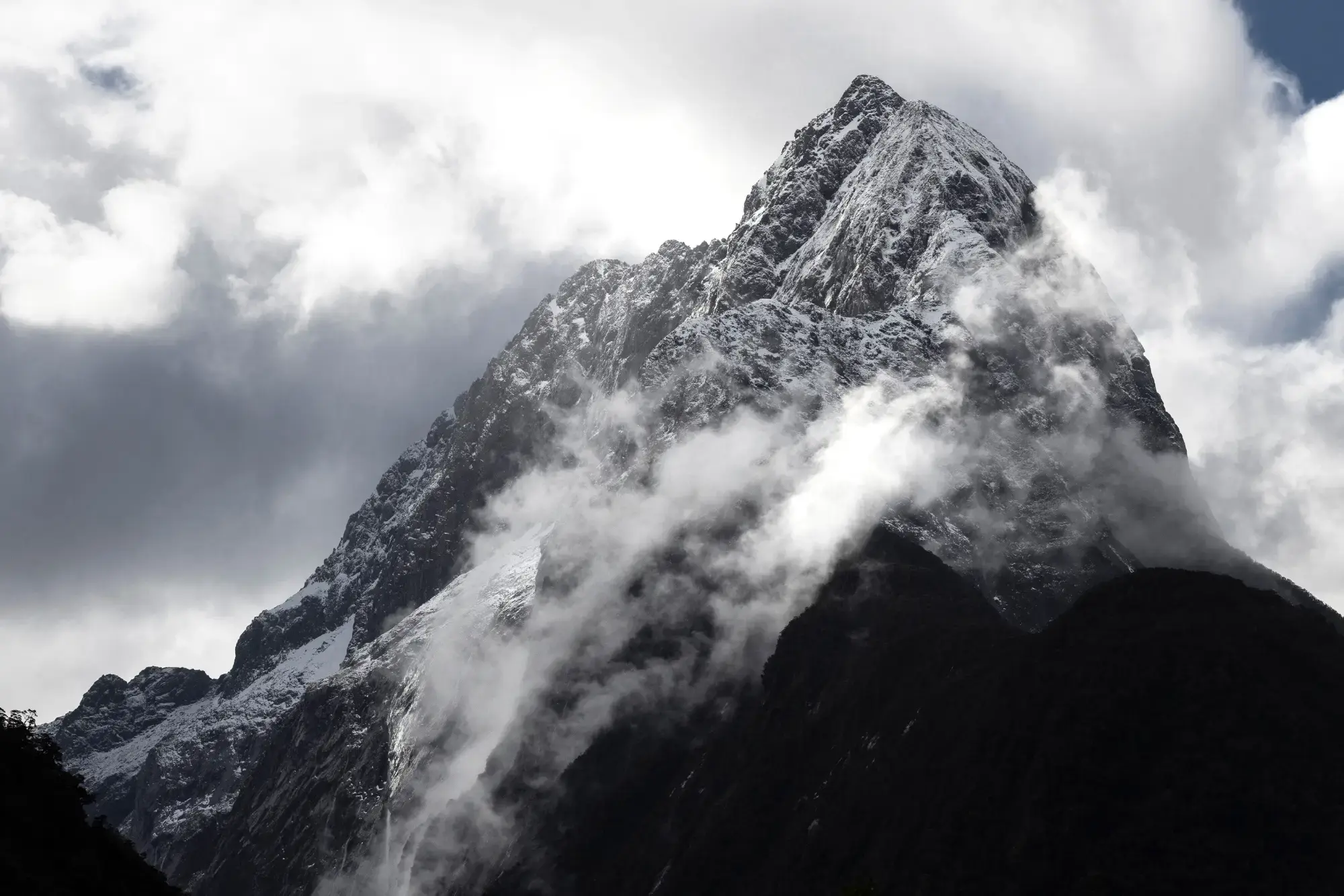
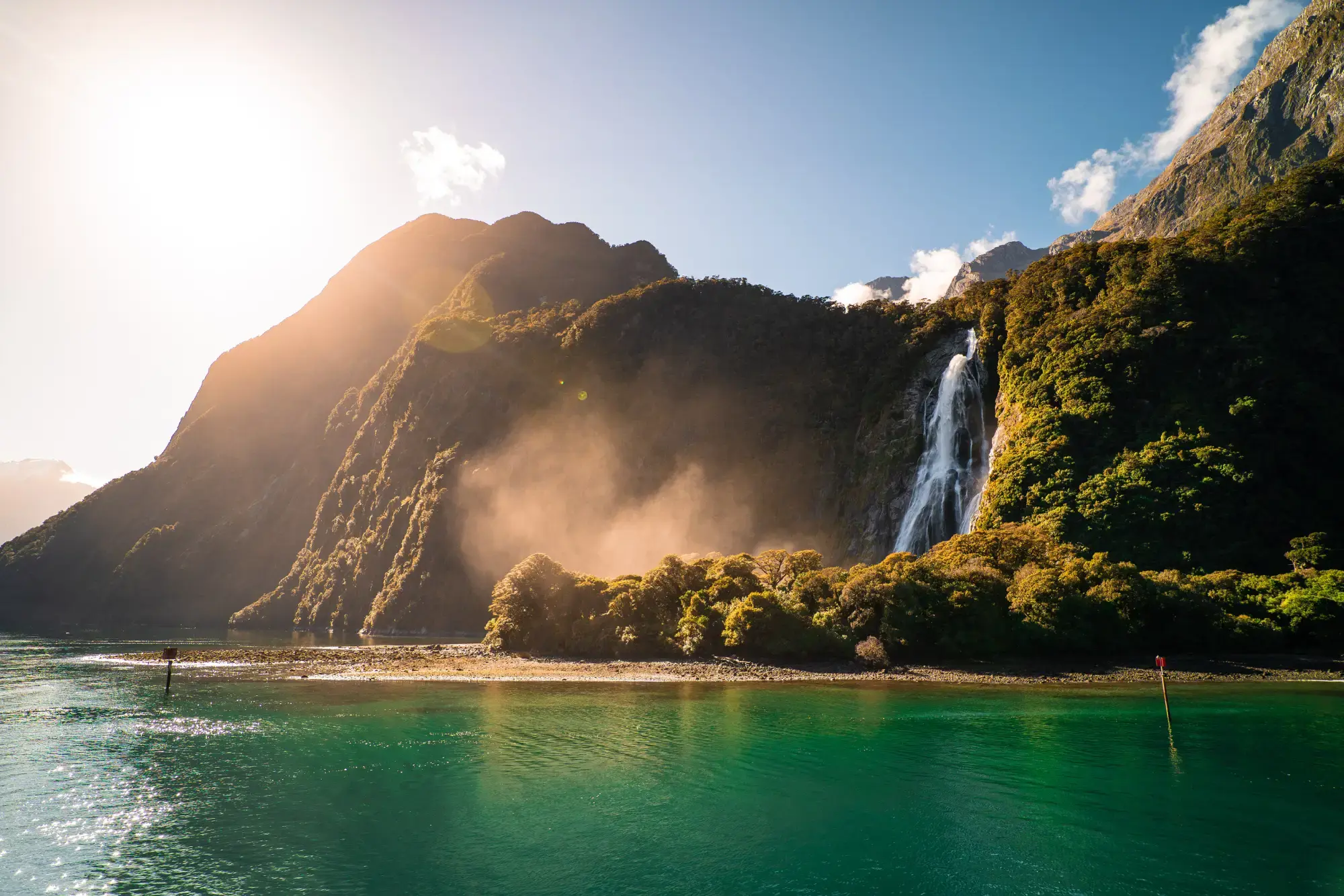
Milford Sound, located in Fiordland National Park on New Zealand’s South Island, is one of the country’s most iconic natural wonders, and the journey to Milford Sound is part of the experience.
Driving the Milford Road (State Highway 94) takes about 3 hours one way from Te Anau, or about 5-6 hours one way from Queenstown. It’s a stunning alpine route through Fiordland National Park, with lots of photo stops along the way. Check weather and road conditions ahead of time, and fuel up in Te Anau - the last service point before Milford Sound.
Relax and let an expert driver handle the winding road. Coaches depart Queenstown and Te Anau daily with commentary and scenic stops along the way, making it an easy, stress-free way to arrive ready to cruise.
Scenic flights from Queenstown take around 40 minutes and deliver dramatic views over peaks, valleys and waterfalls. A premium, time-saving option. Flights are weather dependent, and advance bookings are recommended.

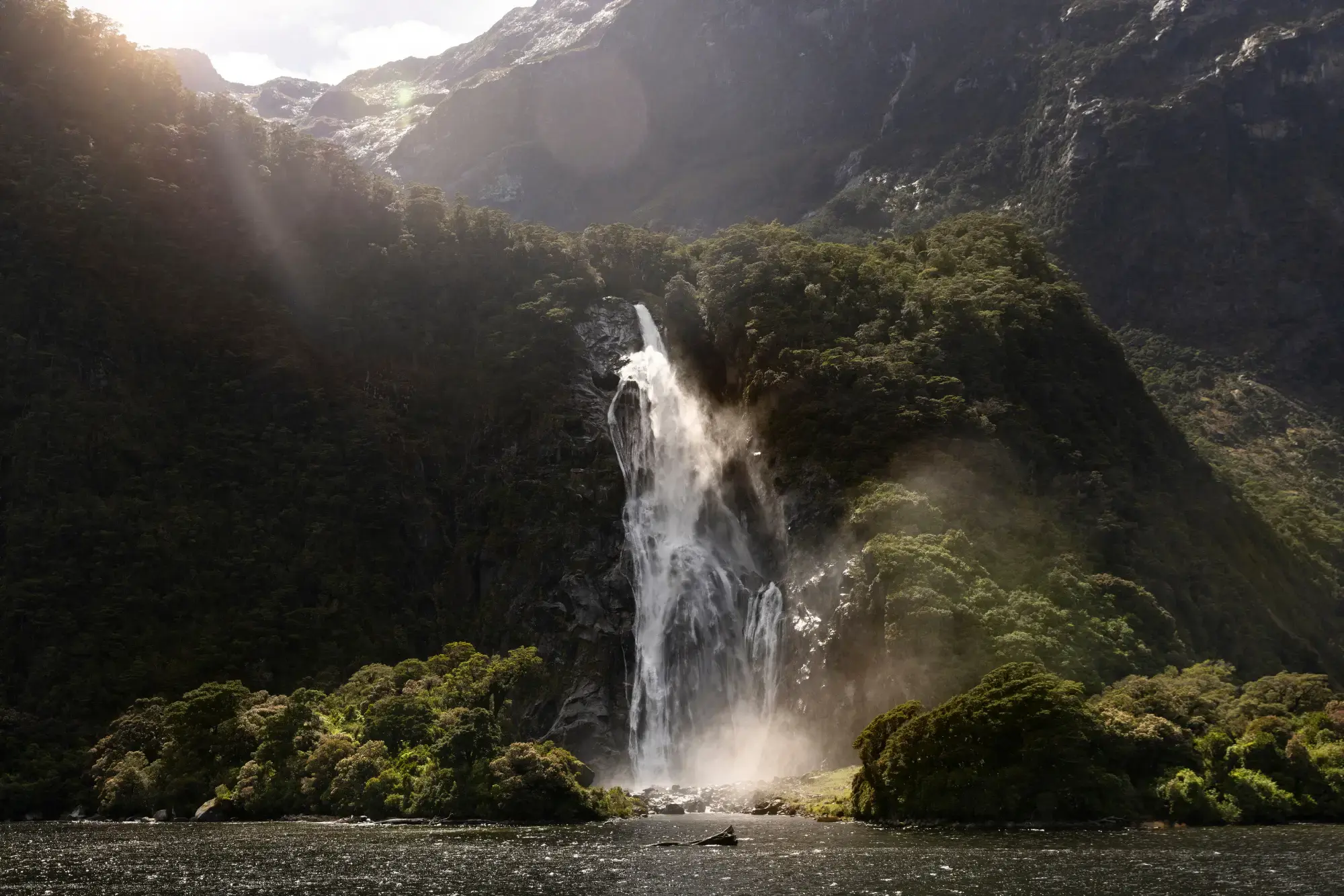
The best way to witness the sheer scale of Milford Sound is from the water. Whether you want to get close enough to feel the spray of Stirling Falls or prefer a slower-paced journey with an overnight stay, there is a cruise tailored to your travel style.
For those looking to see the fiord from a different perspective, scenic flights offer a unique bird's-eye view of this World Heritage site and the surrounding Southern Alps.

Fiordland is one of New Zealand’s most remote and ecologically rich regions, known for its dramatic landscapes, high rainfall, and deep fiords. Its unique environment supports a wide range of native flora and fauna - both above and below the waterline.
Spot seals, kea, and the rare Fiordland Crested Penguin. Learn more about Milford wildlife encounters in our guide to Milford Sound wildlife.


Milford Sound’s rich history and culture stretch back over a thousand years. It’s believed to have been discovered by Māori, who named it Piopiotahi after the legend of a single piopio bird that flew to the fiord mourning the death of its partner. This story is closely tied to Māori mythology and the demigod Māui.
Although Māori knew the area well, it wasn’t until 1812 that European explorer Captain John Grono charted it, naming it Milford Haven after his hometown in Wales. Later, Captain John Lort Stokes renamed it Milford Sound.
As its dramatic beauty became more widely known, key developments followed. In 1888, Mackinnon Pass was discovered, leading to the creation of the Milford Track - now one of the world’s most famous walks. In 1954, the Homer Tunnel was completed, finally allowing road access to the fiord.
Milford Sound’s towering cliffs, waterfalls, and misty peaks left such an impression on author Rudyard Kipling that he called it the “eighth wonder of the world.” Today, it remains a place where ancient legend, natural beauty, and human exploration come together.


