Wildlife is one of the biggest reasons to visit Rakiura. Extensive native forest, relatively low human impact and conservation work across the island provide habitat for an exceptional range of native birds and marine species.
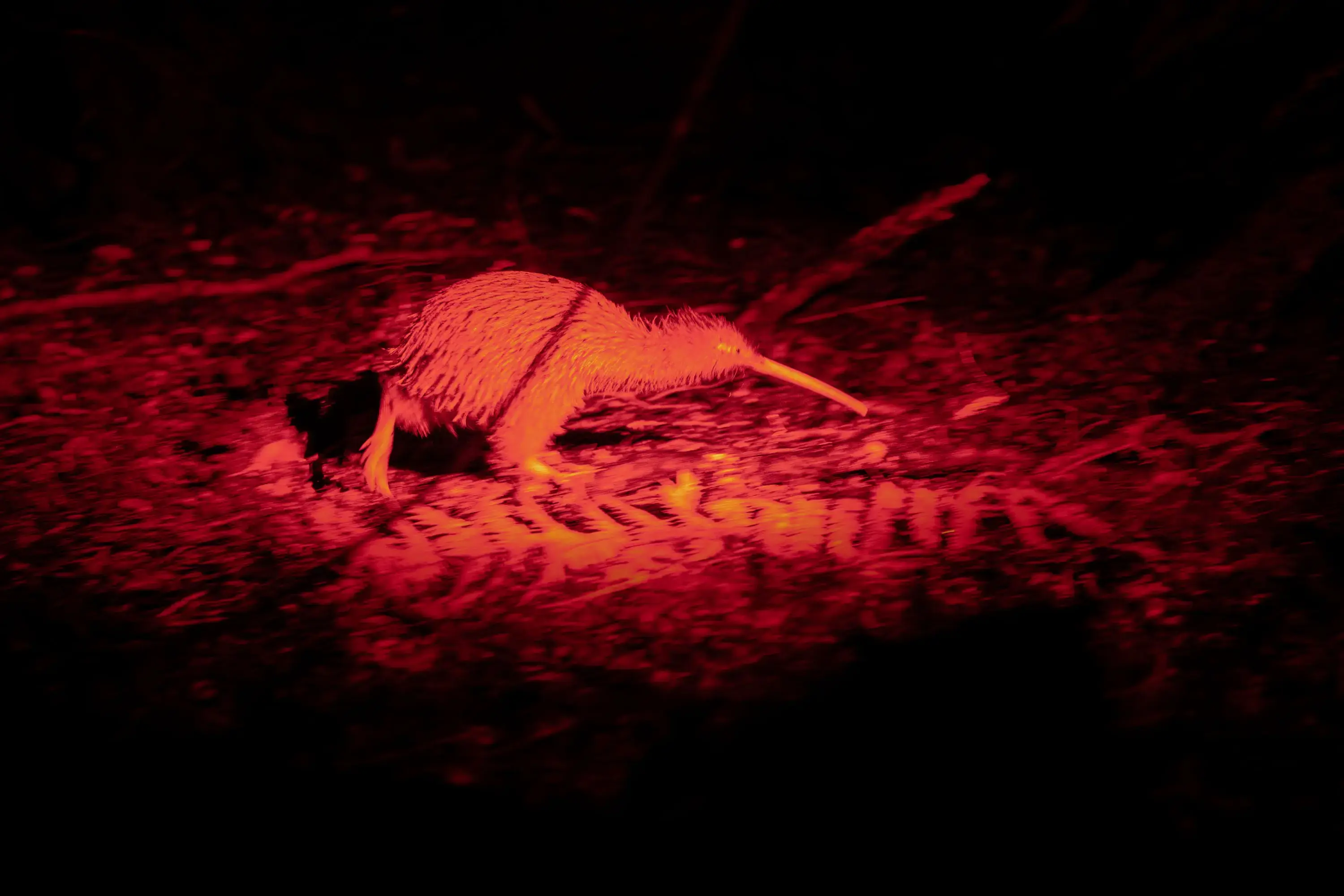
Tokoeka (Stewart Island brown kiwi)
Rakiura is one of New Zealand’s best-known places for seeing kiwi in the wild. The island is home to a significant population of tokoeka, or Stewart Island brown kiwi.
Unlike kiwi encounters in enclosed wildlife centres, sightings here can take place in completely wild habitat. Join a guided Rakiura Wild Kiwi Encounter after dark to search for tokoeka as they forage through coastal forest and along the shoreline. Because these are wild animals, sightings can never be guaranteed.
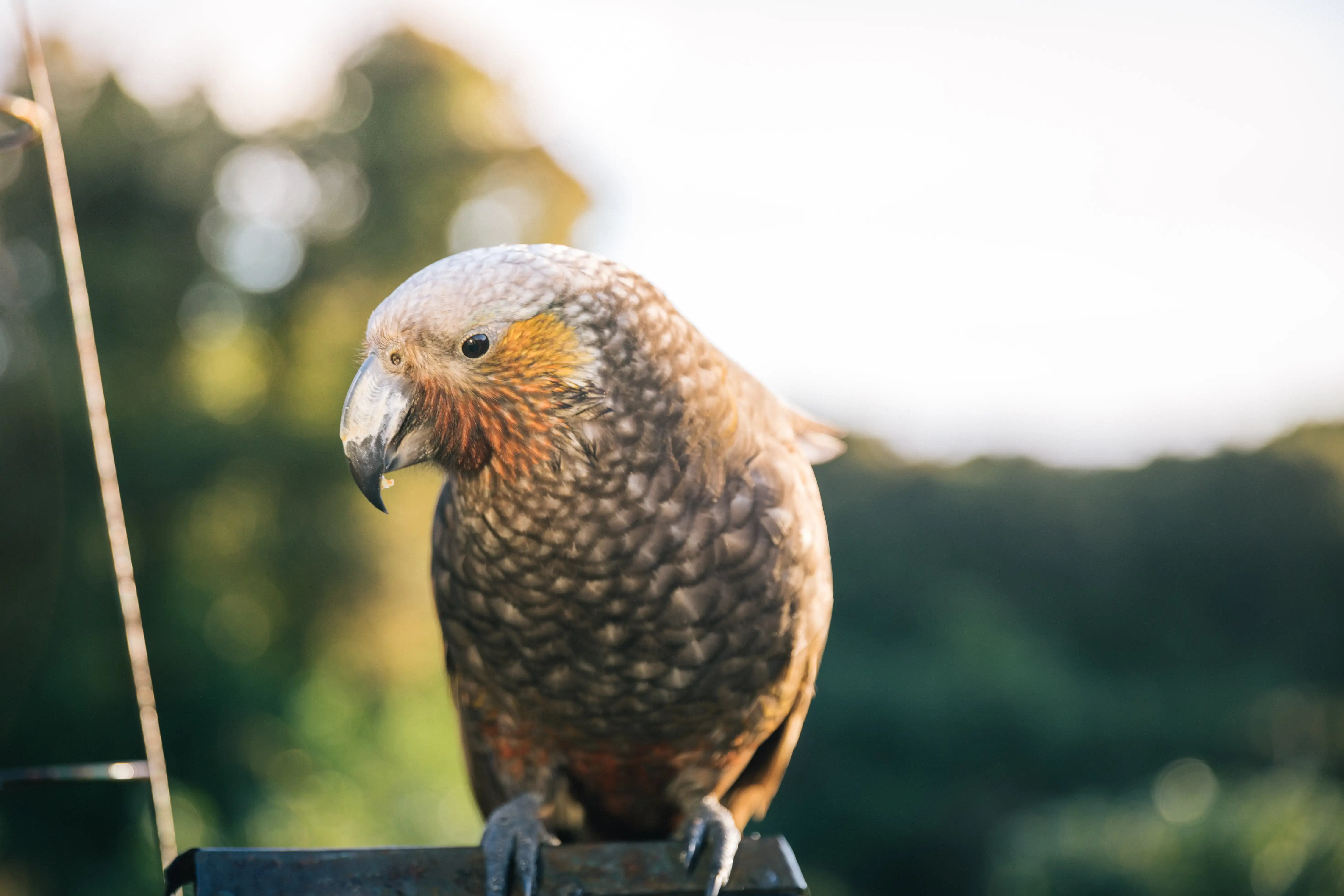
Kākā
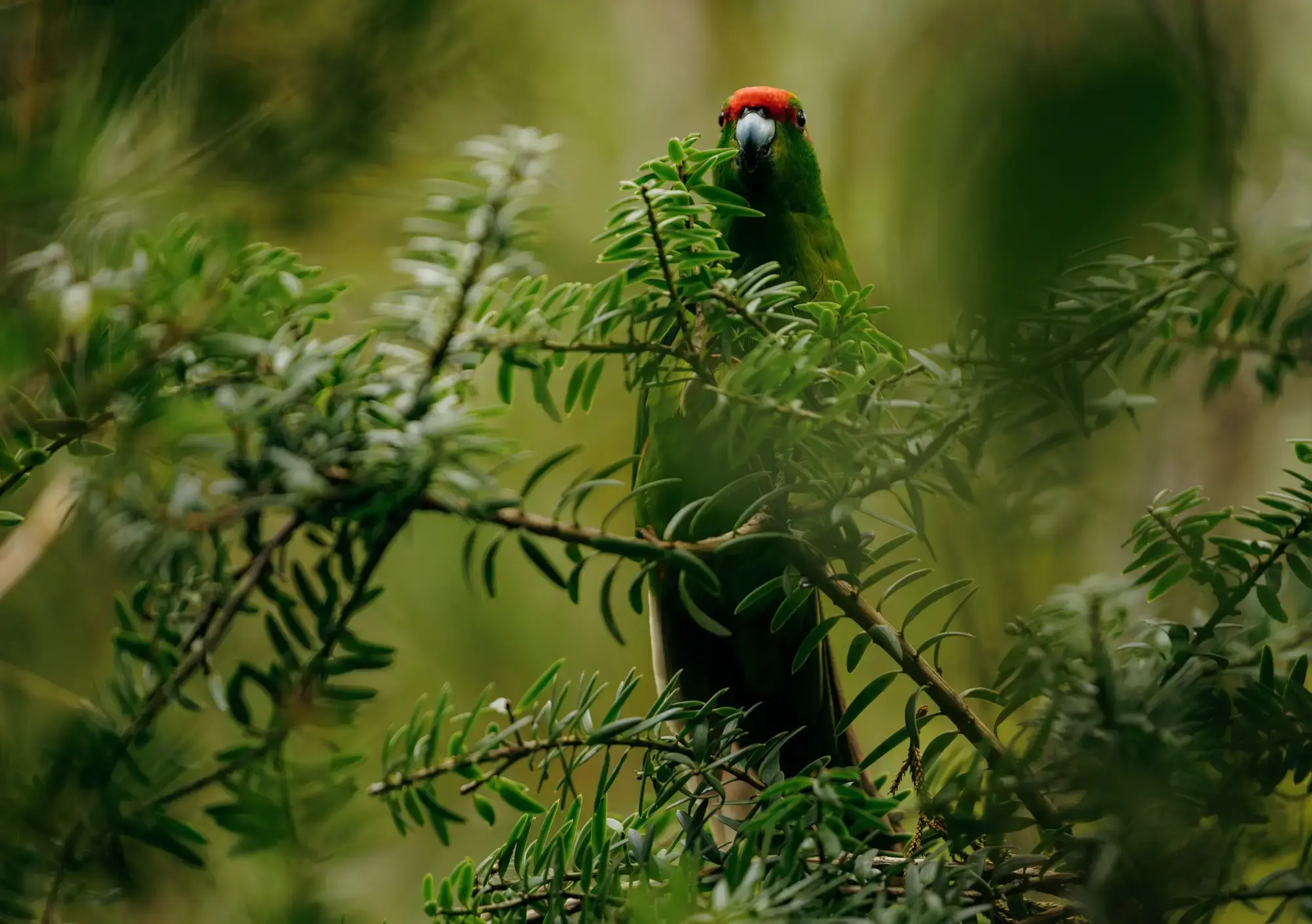
Listen for the calls of South Island kākā in the forest and even around Oban. These large native parrots are curious, intelligent and strong flyers and are one of the island’s most distinctive bird species.
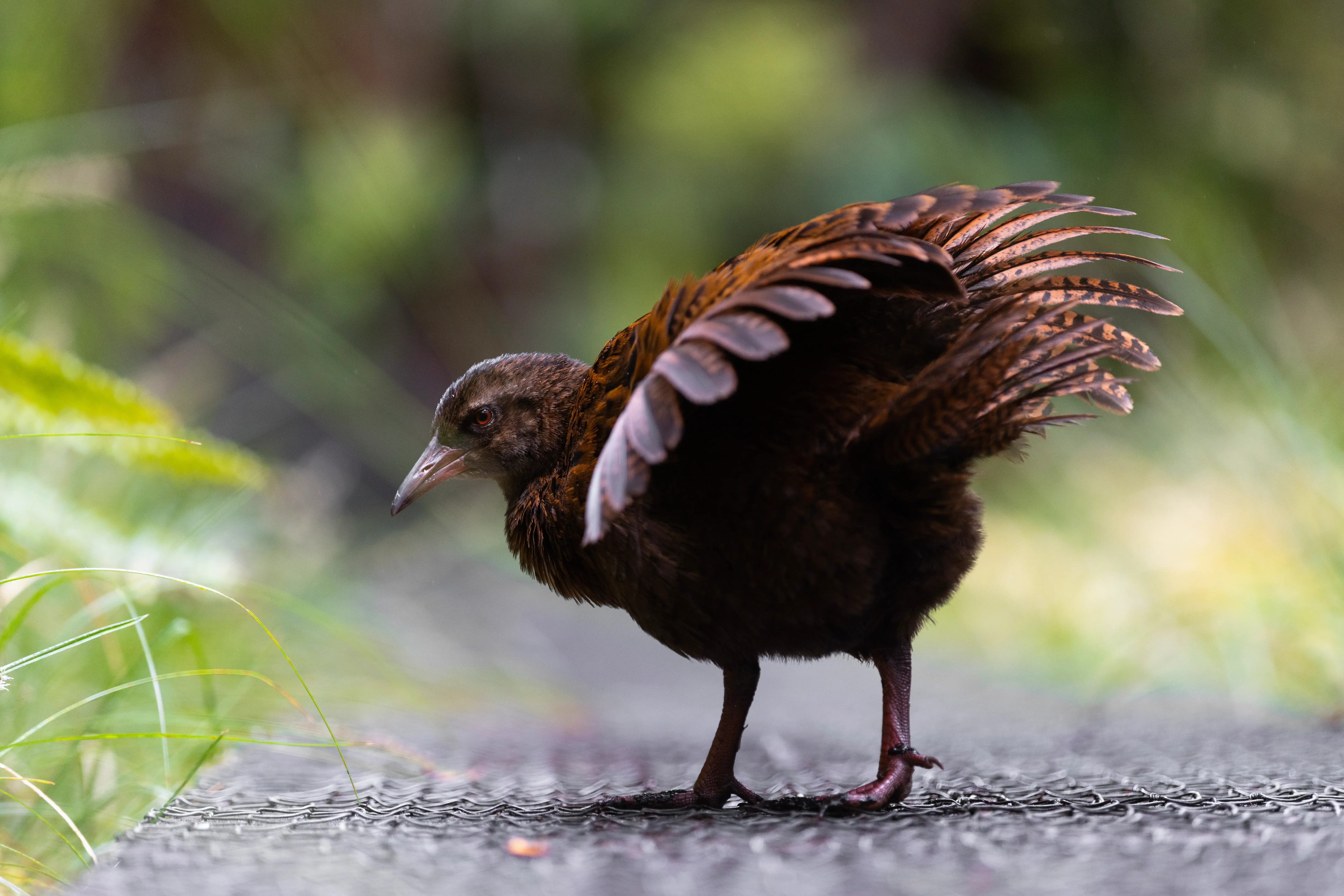
Weka
Weka are another common sight around Rakiura. These flightless native birds can be encountered around beaches, tracks and forest margins, although their famously inquisitive nature means visitors should avoid feeding them.
Tūī, korimako and pīwakawaka
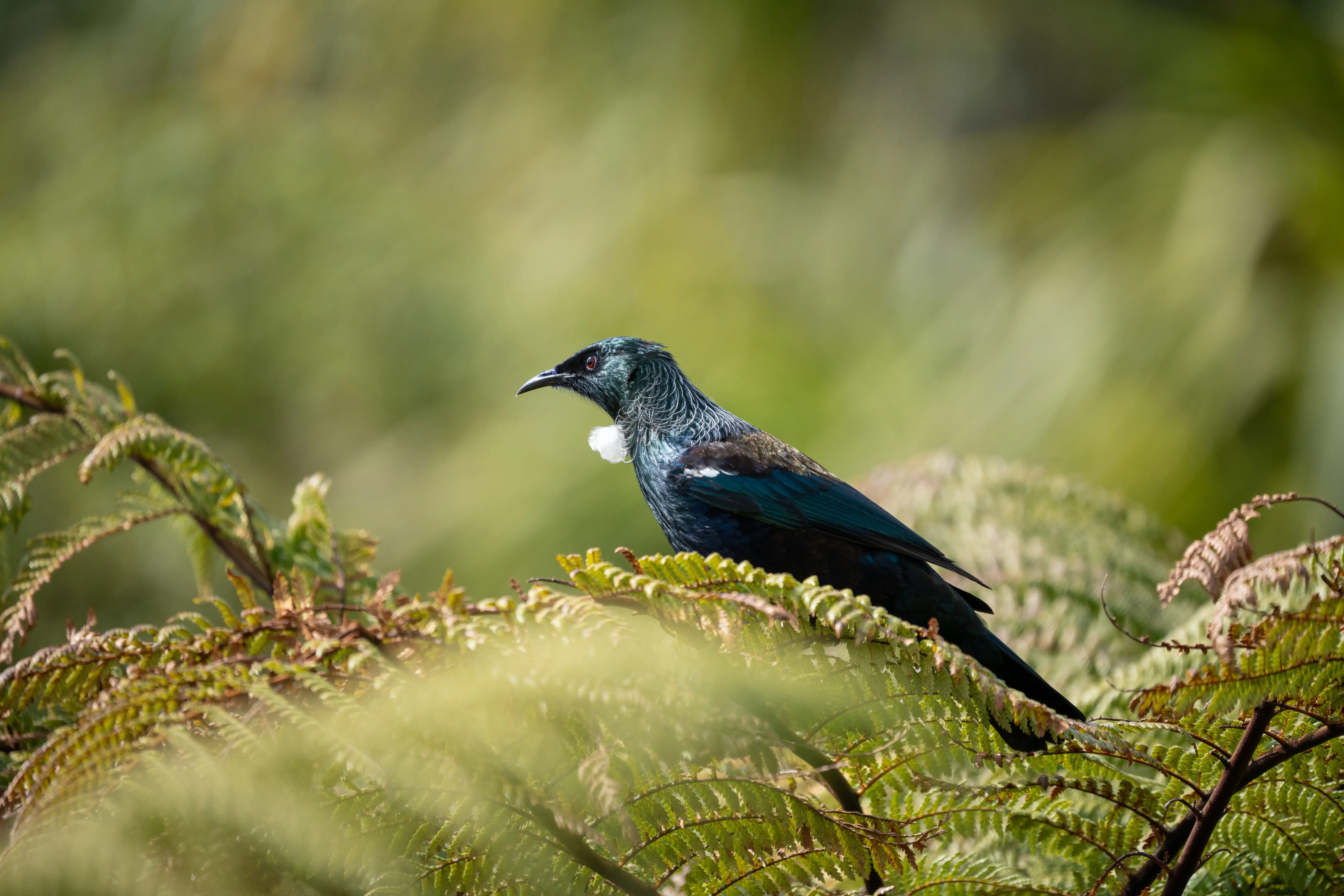
Rakiura's forest is alive with smaller native birds. Tūī, korimako / bellbirds and pīwakawaka / fantails are among the species you may hear or see while walking around the island.
Ulva Island birdlife
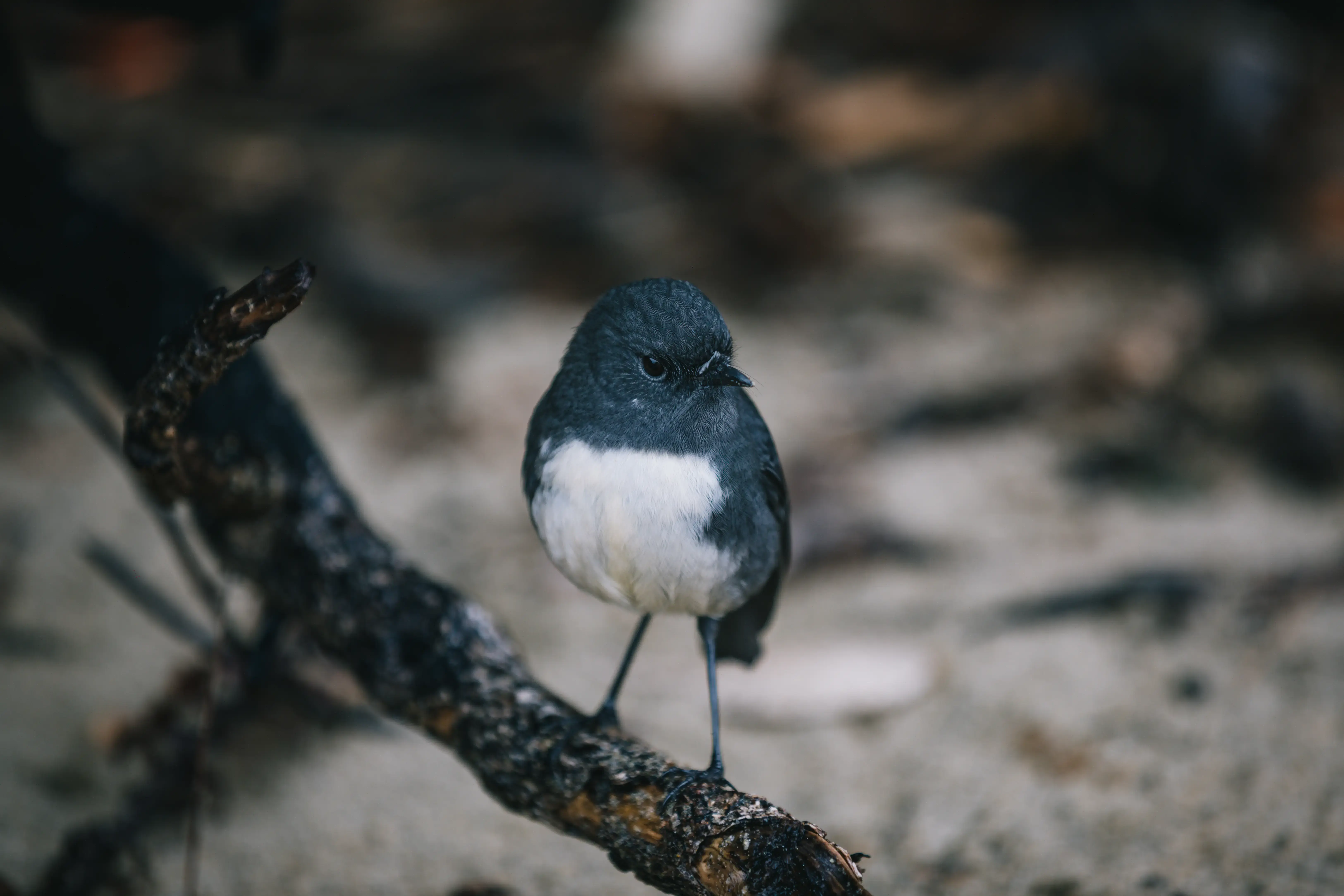
For concentrated birdlife, visit Ulva Island / Te Wharawhara, an open island sanctuary in Paterson Inlet / Whaka a Te Wera. Its predator-free environment provides habitat for species including Kākāriki / Parakeets, South Island saddleback / tīeke, yellowhead / mohua, Stewart Island robin / toutouwai and rifleman / tītitipounamu.
The Ulva Island Explorer combines a cruise across Paterson Inlet with a guided walk through native forest and along the island’s beaches.
Read our complete guide to Stewart Island's native birds and wildlife or discover what to do on Ulva Island before you visit.
Penguins, seabirds and marine life
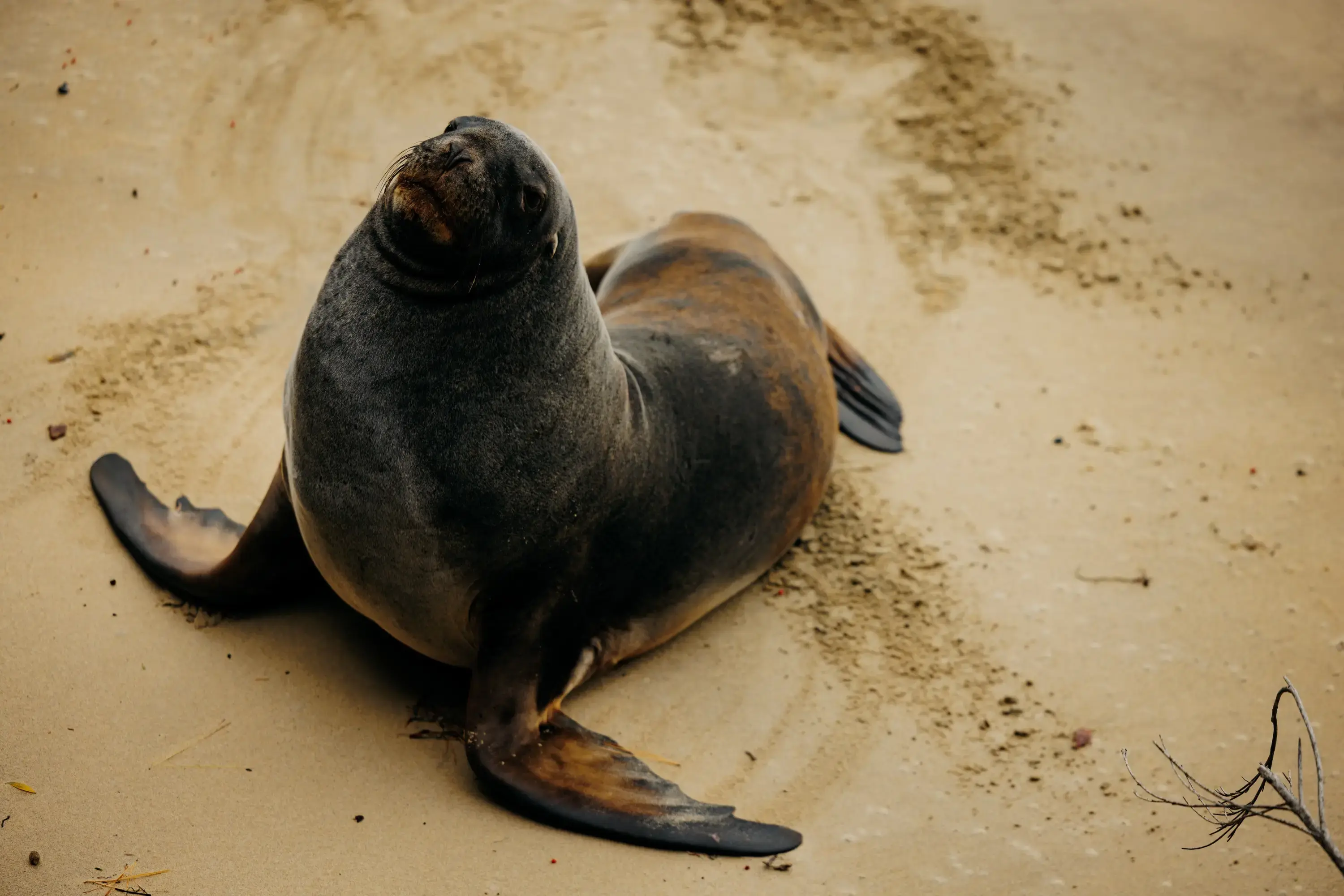
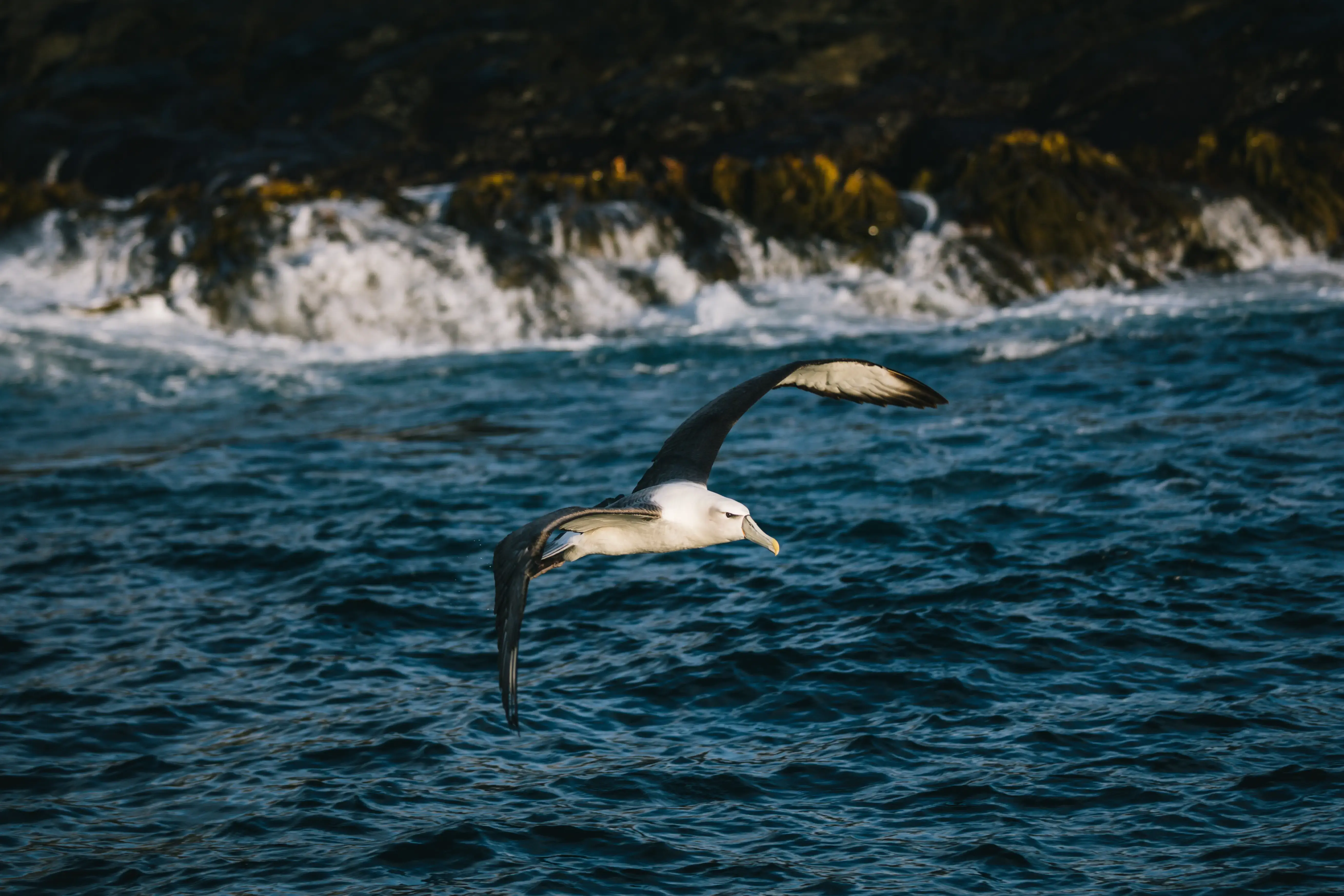
Rakiura's coastline and surrounding waters support much more than forest birds. Keep watch for seabirds around Foveaux Strait and Paterson Inlet, while penguins and marine mammals may also be encountered around the wider Stewart Island coastline. Wildlife is wild and sightings vary by location, season and conditions.