

Cooper Island Restoration Project
Turning the sound of silence into birdsong
Nestled in the heart of Dusky Sound, Ao-ata-te-pō / Cooper Island is one of RealNZ's most ambitious conservation projects.
Since 2016, RealNZ has partnered with the Department of Conservation (DOC) to restore this remote island sanctuary through intensive predator control, biodiversity monitoring, and habitat protection.
Today, after years of work, Cooper Island is preparing for its most exciting milestone yet - becoming home to a new population of kiwi pukupuku (little spotted kiwi), one of Aotearoa's most treasured native birds.
Project snapshot
- Established: 2016
- Location: Dusky Sound, Fiordland National Park
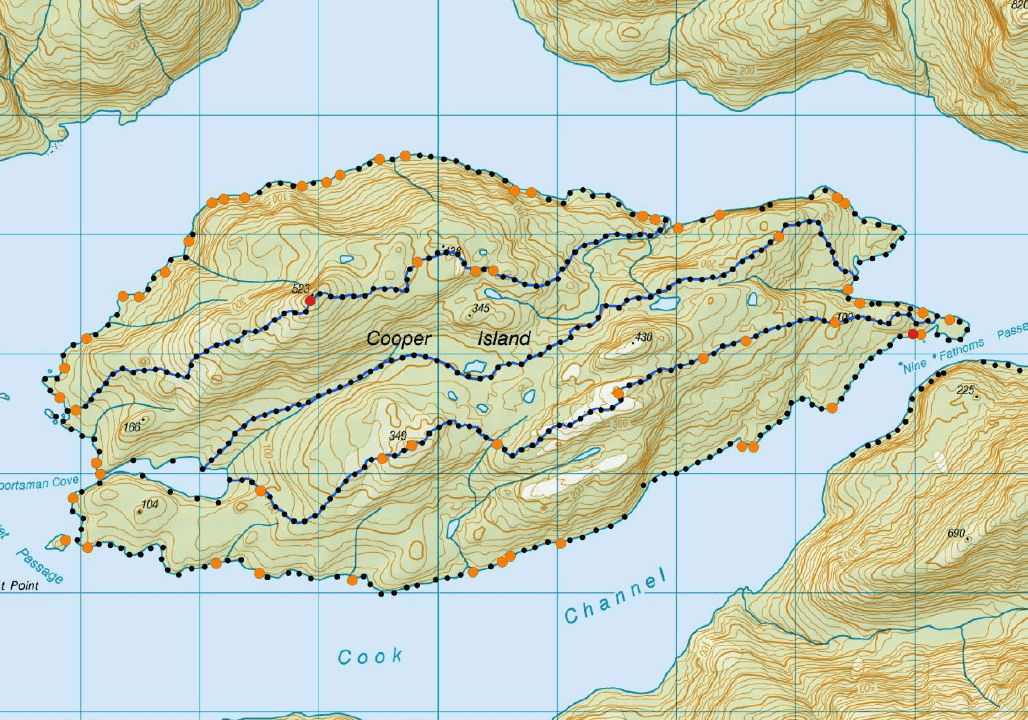
- Predator trap network: 544 traps
- Monitoring cameras: 16
- Volunteer trap checks: 4–6 times per year
- Partnership: RealNZ and Department of Conservation

A Place Worth Protecting
Ao-ata-te-pō / Cooper Island lies within the spectacular waters of Dusky Sound in Fiordland National Park.
Covering more than 1800 hectares, the island is one of the largest islands in Dusky Sound and is surrounded by towering fiords, native rainforest and some of New Zealand's most remote wilderness.
Historically, islands like Cooper Island provided important refuges for native wildlife. However, the arrival of introduced predators such as stoats and rats dramatically changed these ecosystems, placing many native species under pressure.
Today, Cooper Island offers a rare opportunity to reverse that decline. Its size, isolation and natural habitat make it an ideal location for long-term restoration and species recovery.
A decade of restoration
RealNZ began conservation work on Cooper Island in 2016 with an ambitious goal: create a thriving sanctuary where native wildlife can flourish free from the impacts of introduced predators.
Over the years, hundreds of traps have been installed across the island, extensive monitoring programmes have been established, and thousands of volunteer hours have been contributed by RealNZ staff and conservation partners.
The project has steadily reduced predator numbers and laid the foundations for the return of vulnerable native species.

Bringing kiwi pukupuku back to Dusky Sound
RealNZ has been granted a Wildlife Permit to translocate kiwi pukupuku (little spotted kiwi) from Kāpiti Island to Cooper Island - a rare and incredibly special opportunity to help secure the future of one of New Zealand's most iconic native species.
Little spotted kiwi were once found throughout New Zealand but now survive in only a limited number of protected locations. Establishing a new population in the remote and protected environment of Dusky Sound represents an important milestone in the species' recovery.
The project is being delivered in partnership with the Department of Conservation and builds on years of predator control and restoration work already underway on Cooper Island.

Conservation in action
Protecting native wildlife starts with controlling introduced predators.
RealNZ maintains one of the largest island-based predator-control programmes in Fiordland, with:
- 1033 DOC 200 & AT24 traps
- 1587 predators removed
- 22, 395 trap checks (all time)
- 16 monitoring cameras
- Extensive trap lines covering the coastline and interior of the island
Every year, teams of RealNZ staff volunteers travel to Cooper Island to service traps, monitor wildlife and support ongoing restoration work.
The trap network is checked four to six times annually, helping maintain low predator numbers and creating safer conditions for native species.
Alongside trapping, monitoring cameras and wildlife surveys provide valuable insights into how the island ecosystem is responding to restoration efforts and help guide future conservation decisions.
How we're raising funds
Conservation projects like Cooper Island are supported from a range of RealNZ initiatives. Through the Real Promise, we dedicate 1% of every online booking to conservation projects across the places we operate. Additional support comes from our annual Night for Nature fundraising event, which raised more than $169,000 in 2025, and our Real Partner Programme, where partner organisations pledge a minimum annual contribution towards conservation projects.
Looking ahead
After nearly a decade of restoration work, the vision for Cooper Island remains unchanged: to create a thriving sanctuary where native wildlife can flourish.
The planned arrival of kiwi pukupuku in 2028 marks an exciting new chapter for the project and reflects years of commitment from RealNZ, the Department of Conservation and the many volunteers who have helped restore the island.


