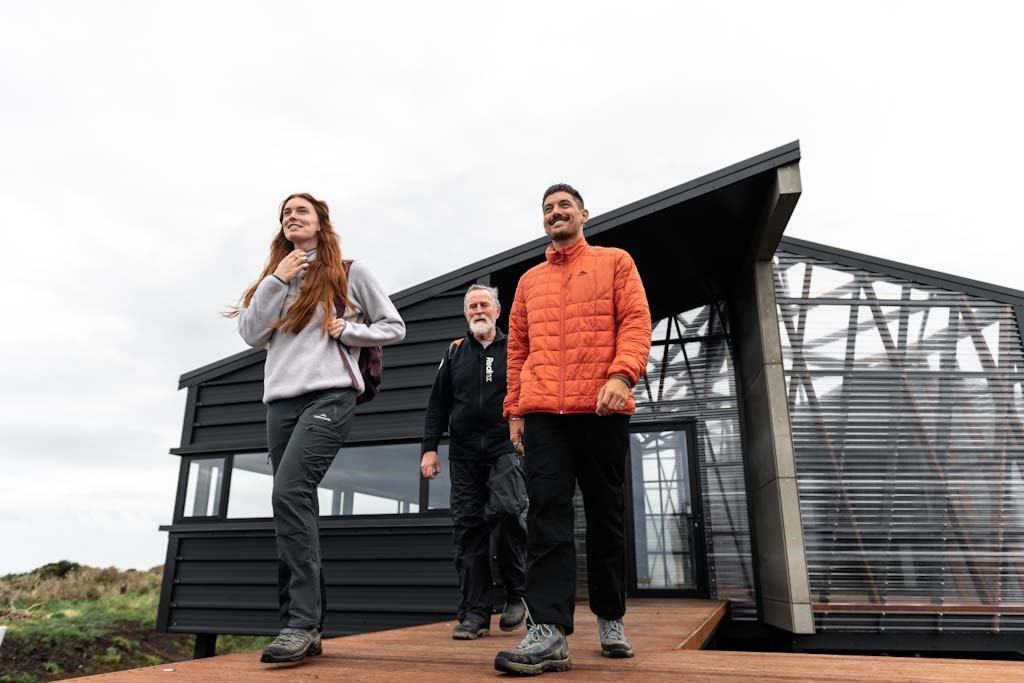
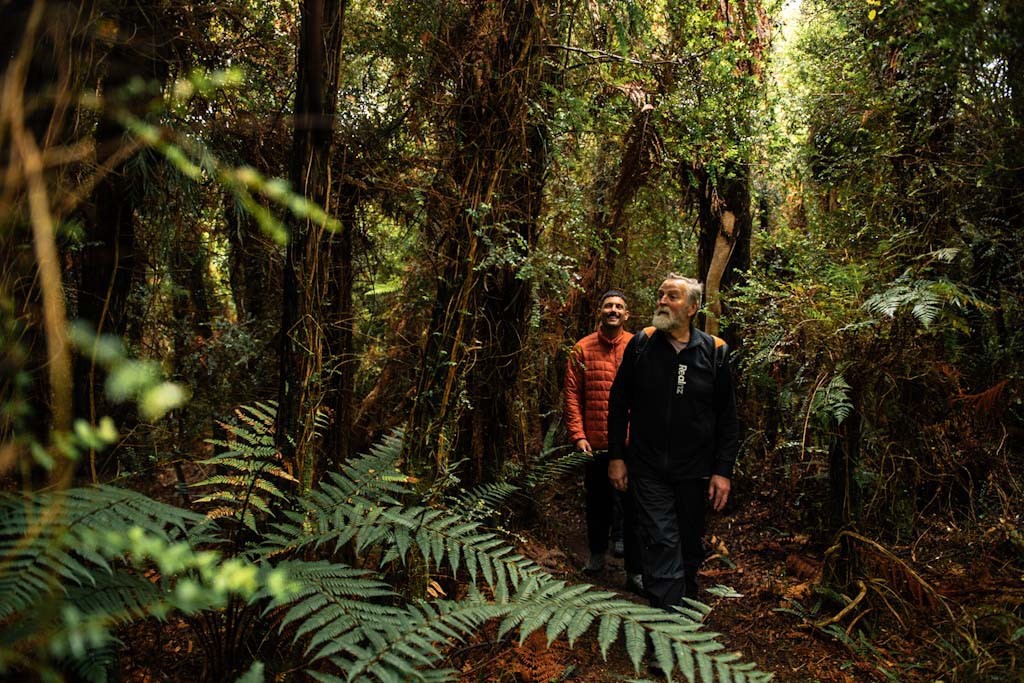
Stewart Island / Rakiura offers remote, wild, and rugged natural environments. Our guided nature walks include travel by vessel and, for the Village & Bays Tour, by bus. Participants may encounter uneven terrain, bush tracks, sandy beaches, low-light conditions for kiwi experiences, and rapidly changing weather. While guides actively manage hazards, the natural environment is unpredictable, and access to emergency services can be limited.
Uneven terrain, slips & trips
Uneven tracks, roots, mud, slippery rocks and soft sand increase the risk of slips, trips and falls which may cause injury.
Coastal & beach hazards
Beaches, rocky foreshore and rising tides can cause slips, sudden immersion or cut-off access. Wind and waves can increase these risks.
Wildlife encounters
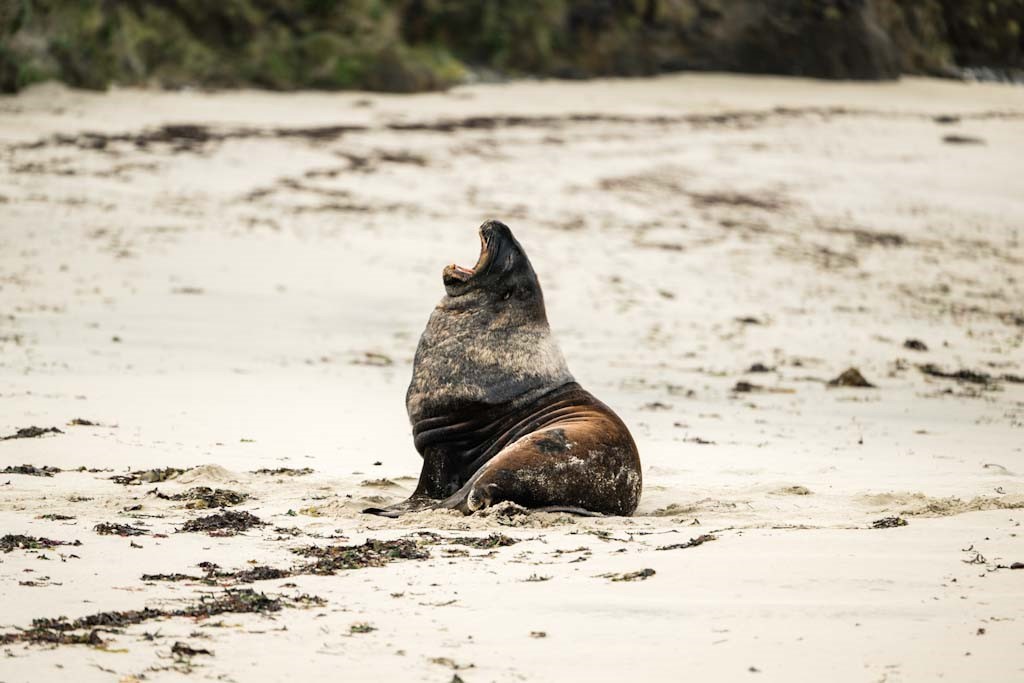
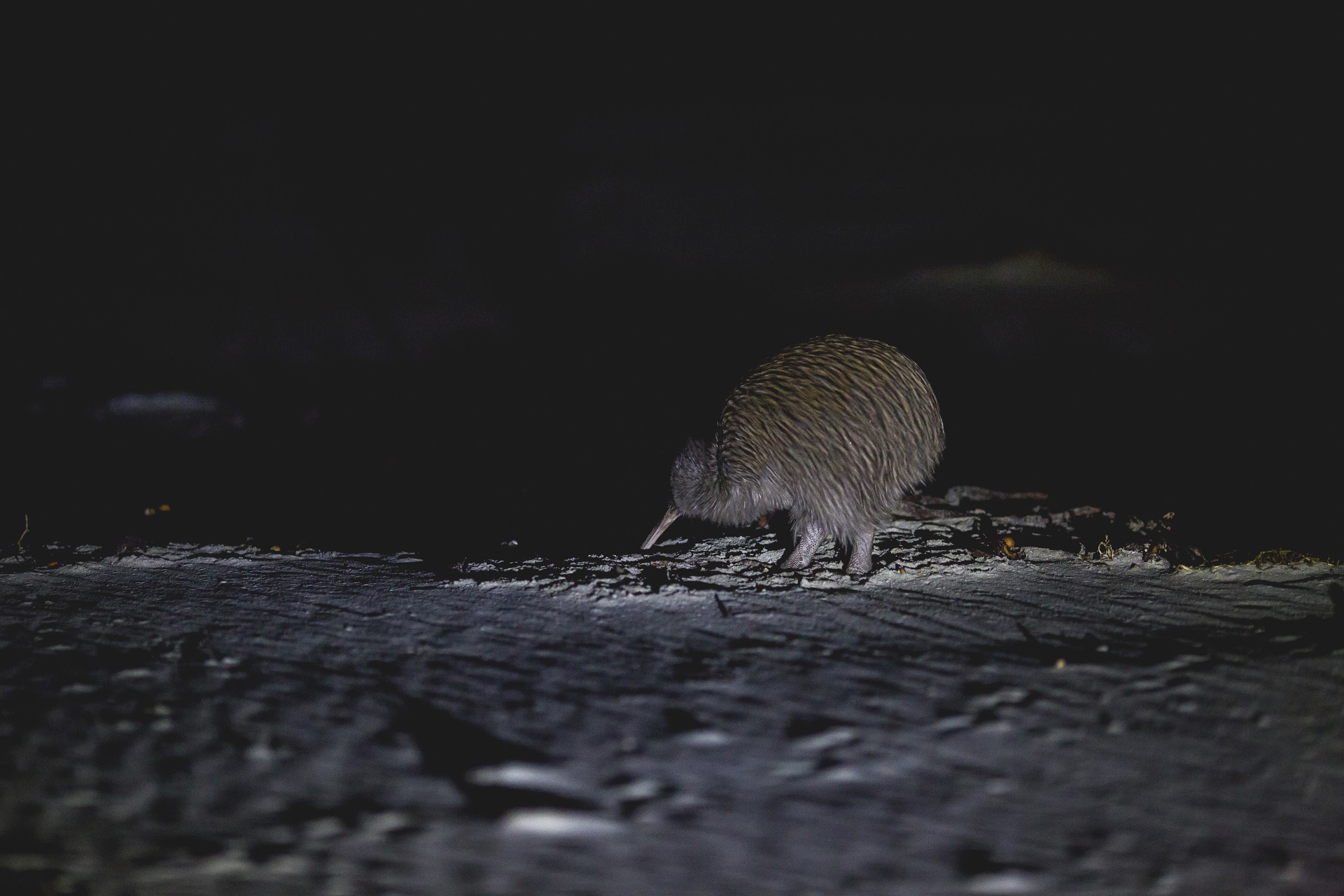
Stewart Island is home to native species including sea lions, kiwi, and ground-nesting birds. Wildlife—particularly sea lions—can behave unpredictably. Approaching or disturbing animals may cause serious injury. Follow guide instructions and maintain safe distances.
Night walking & low visibility
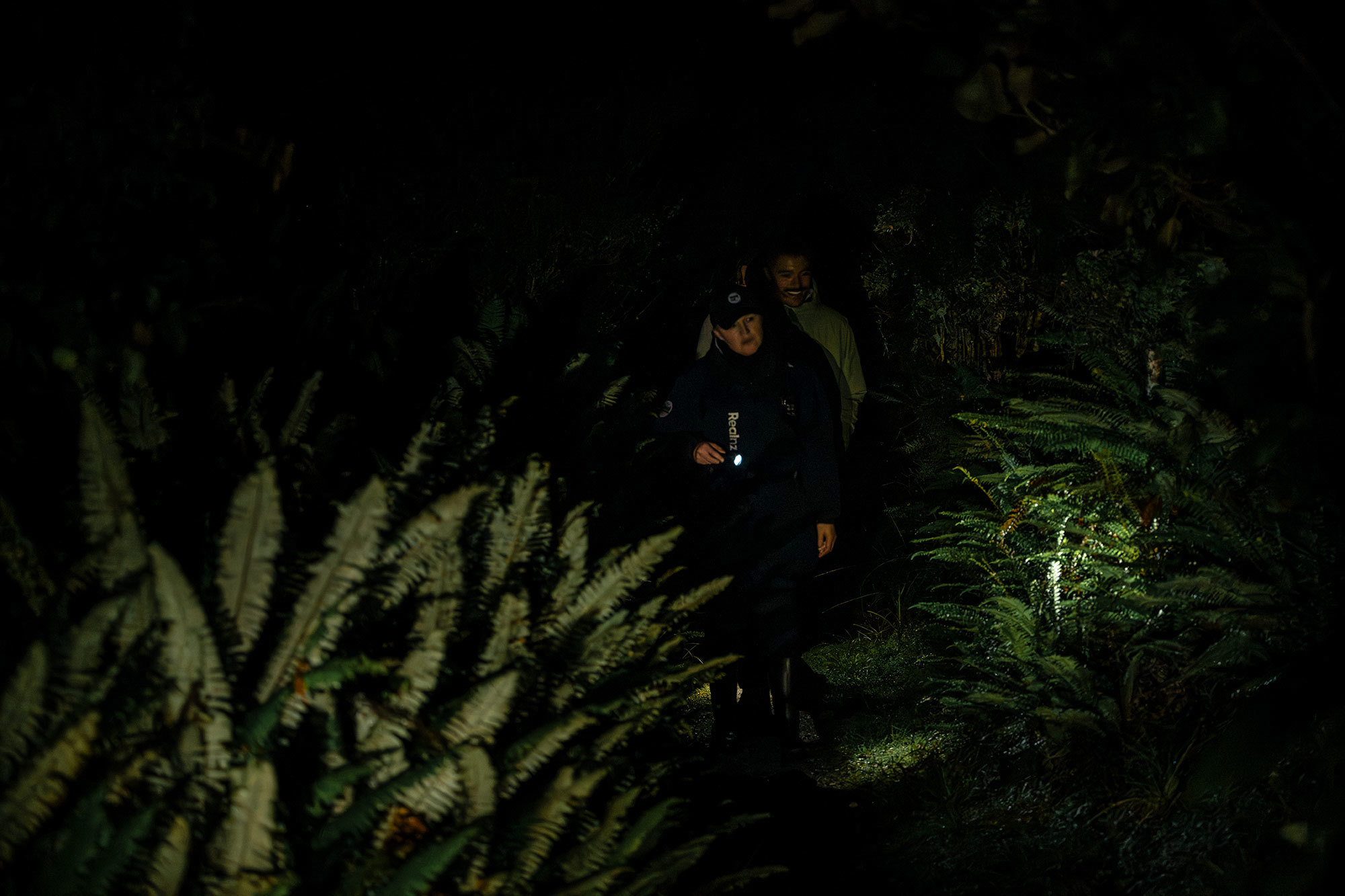
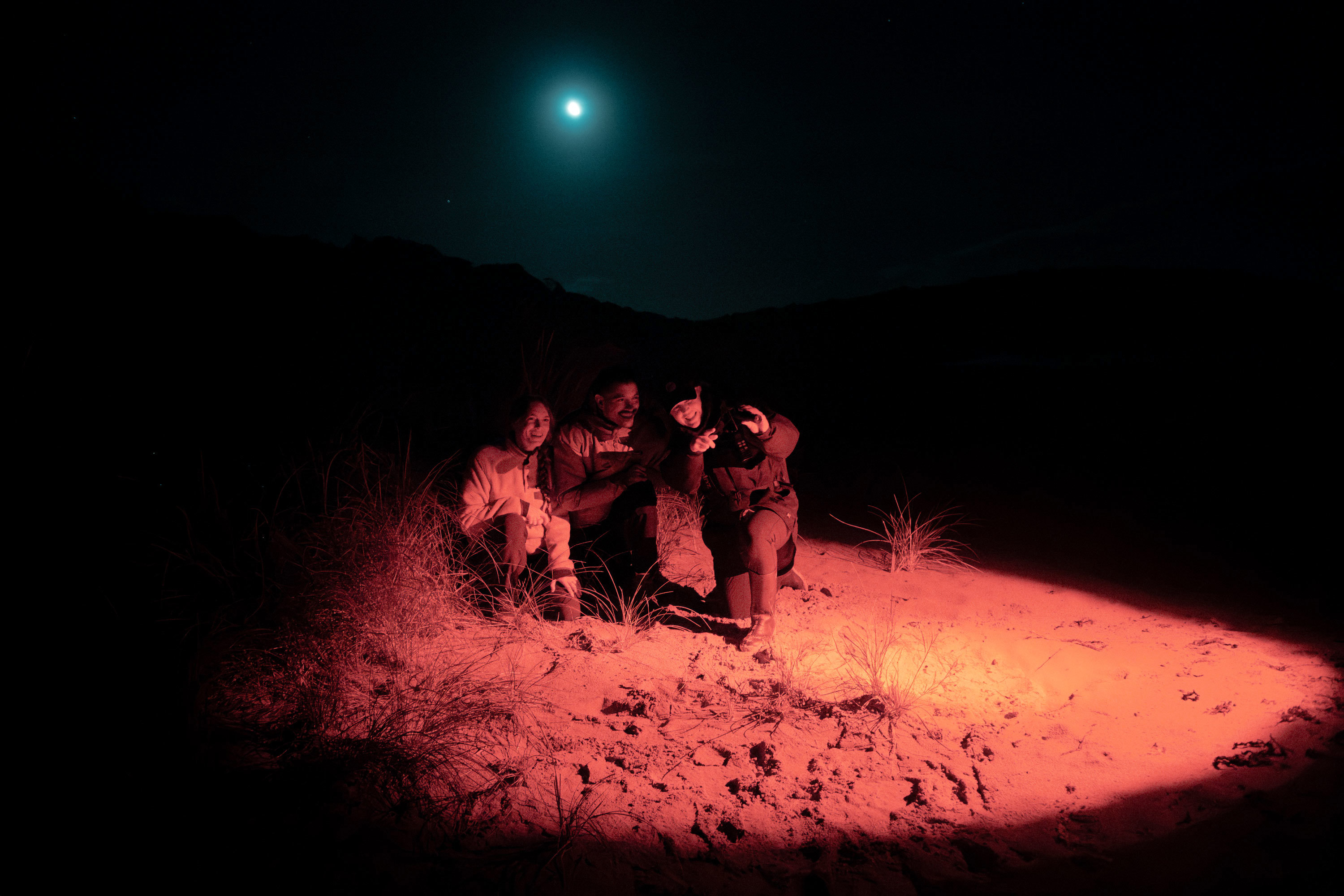
Evening walks such as the Wild Kiwi Experience involve low-light conditions, which increase the risk of trips, slips, or collisions with branches or obstacles. Participants should stay with their guide and follow instructions closely.
Landslip & rockfall
Tracks through bush or near slopes may be affected by landslips or fallen debris, particularly after heavy rain. These hazards can create unstable surfaces or obstacles that increase the risk of injury.
Earthquake & tsunami
New Zealand is seismically active. Earthquakes may cause ground movement, landslips, or track damage. Coastal areas may be at risk of tsunami following offshore events. Participants must follow guide instructions in any emergency situation.
Weather & exposure
Rapidly changing weather — including rain, wind, cold, or heat — may increase the risk of hypothermia, slips, or reduced visibility. Walks may be altered or cancelled for safety if conditions are unsuitable.
Allergies & insects
Sandflies, wasps, bees, and other insects are present. Native flora, dust, and pollen may also trigger allergic reactions. Participants with known allergies should carry any required medication.
Medical events, remoteness & limited emergency access
Walks take place in remote locations where communication is limited and emergency response may be delayed. Participants should disclose relevant medical conditions before the walk. Illness or injury may require extended evacuation times.
Transport risks
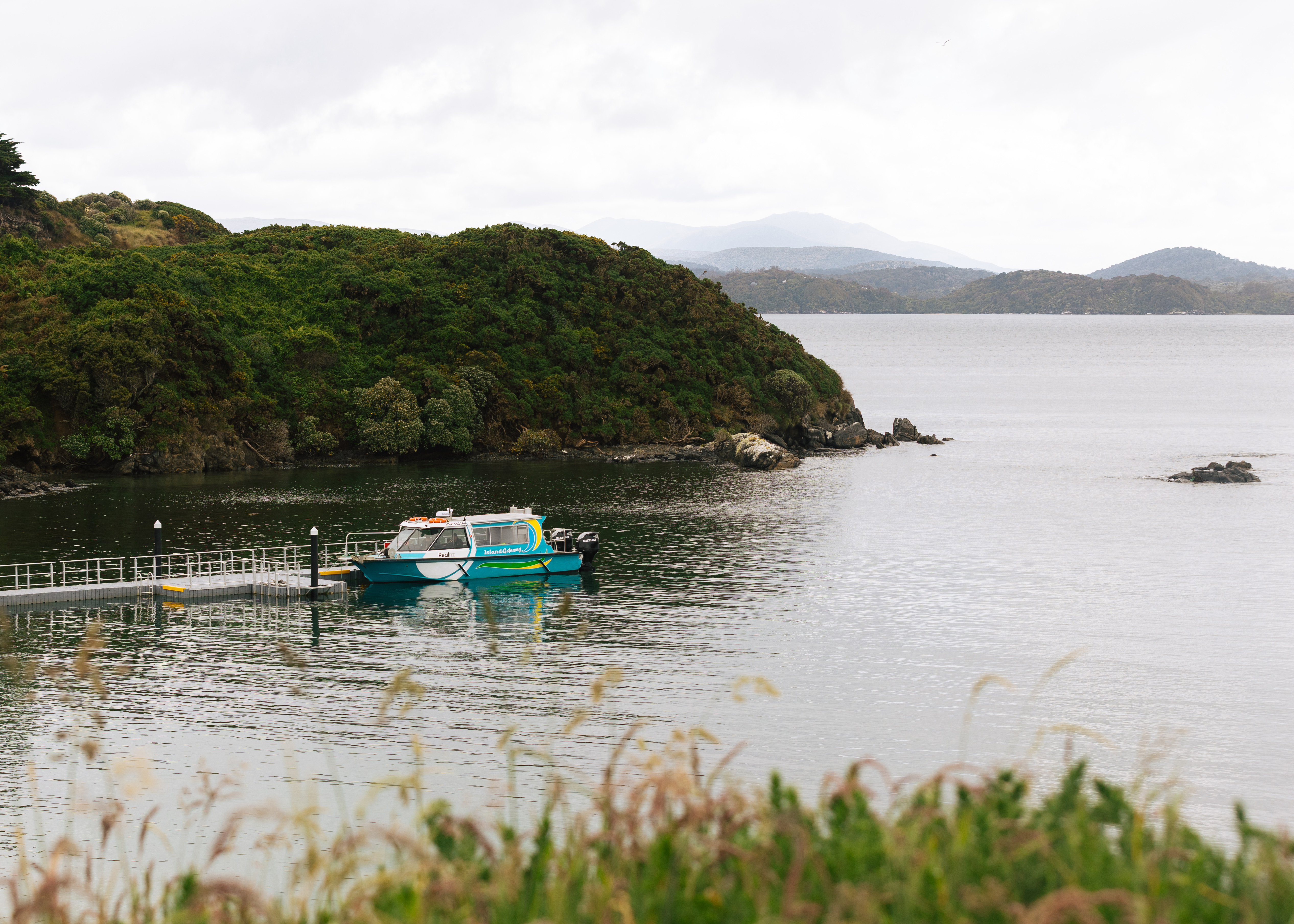
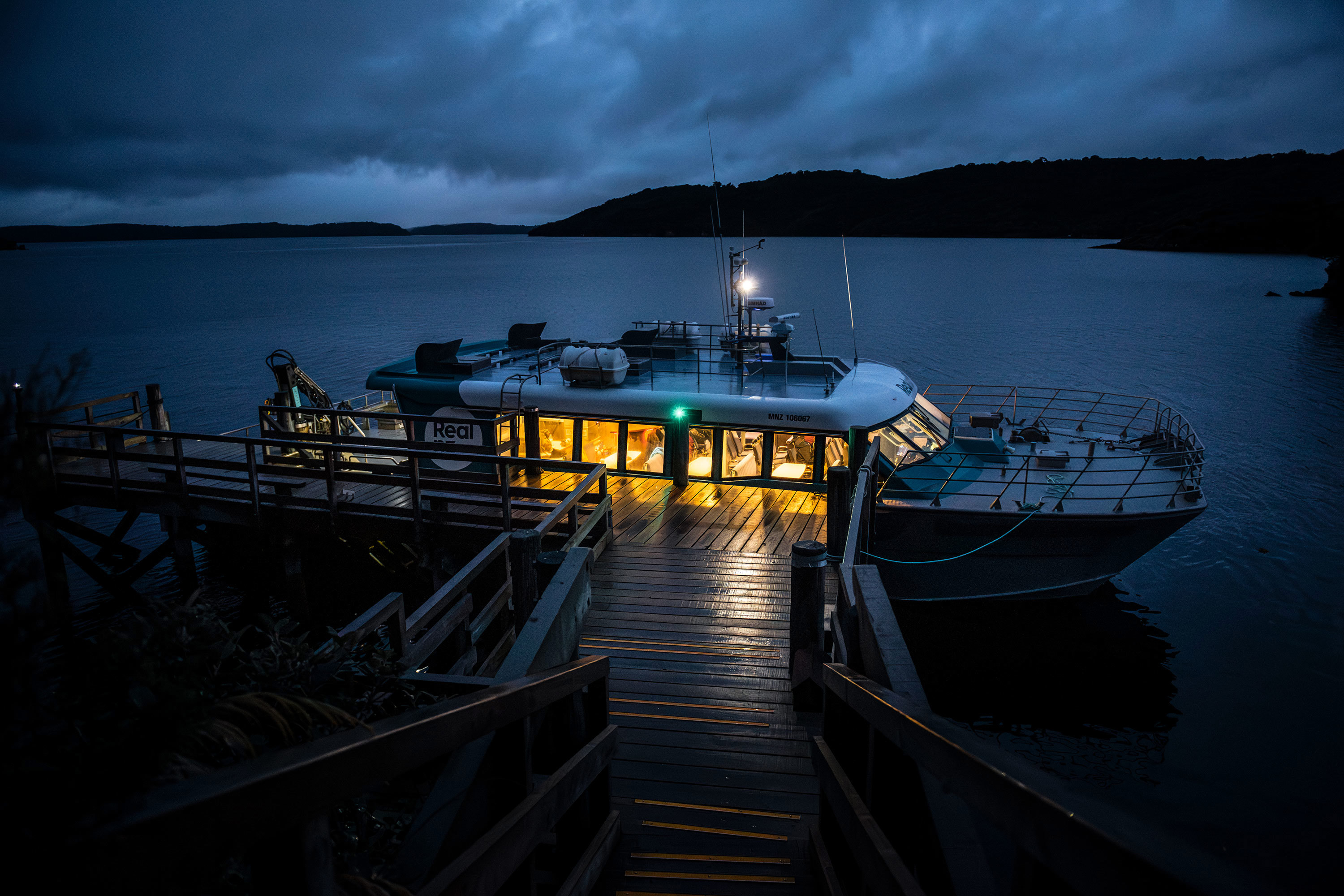
- Vessel transport is used for the Wilderness Walk, Wild Kiwi, and Ulva Island Walk. Vessel decks may be wet or uneven, and sudden movement may occur. Passengers must follow crew instructions.
- Bus transport is used for the Village & Bays Tour. Standard road and vehicle risks apply, including movement during travel. Seatbelts must be worn when provided.